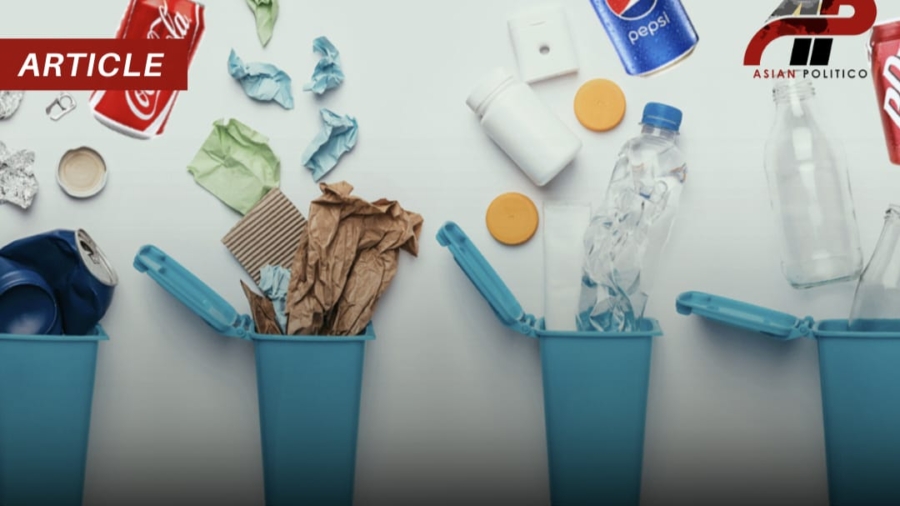
In the contemporary era, there is a noticeable surge in global awareness of environmentally sustainable and eco-friendly practices. One of the biggest contributors to climate degradation is the use of plastic. Large-scale expansion and growing markets have quadrupled the use of plastic in the past 30 years. Most of the available products on the market are wrapped in plastic. These figures leave a grave mark on sustainability that only 9% of the plastic waste is recycled, and the rest is buried in landfills to accompany Mother Earth. It is concerning to know that plastic takes around 20 to 500 years to breakdown and decompose, and that too depends on the structure and material of the plastic. It is undoubtedly a great threat to nature, and to combat this issue, movements like “Plastic Free July” are icing on the cake.
This initiative encourages people around the globe to limit their usage of “single-use plastic” over the month of July. This not only becomes a funnel to contribute to a clean and green environment but also alters the habits of people towards a sustainable lifestyle throughout the year. Plastic pollution has far-reaching effects on the environment. It not only affects life on earth but also damages marine life. The whole ecosystem is disrupted when the plastic particles enter the food chain. Human health is also at risk owing to the harmful chemicals present in plastic. Concerns over the quality of potable water are rising as the level of contamination has witnessed an increase.
With an ongoing list of consequences, the increased usage of plastic on account of environmental deterioration is unfortunate. The global community has been successful in gaining momentum for awareness initiatives and movements. The most noticeable effort is the United Nations Environment Program (UNEP) “Beat Plastic Pollution,” which encourages sustainable alternatives. The European Union has also stepped forward with a ban on single-use plastic, aiming to make all plastic packaging recyclable and eco-friendly by 2030.
Pakistan has also taken steps to ensure its healthy environment. Back in 2019, a strict ban was implemented on the usage of single-use plastic in Sindh and the capital city of Islamabad. Violators of the law were treated with heavy fines and even the closure of production units. This policy lost its efficacy with time, but this initiative has again gained momentum in 2024, where bans on the usage of plastic are again in practice. The government has a hard battle to fight, as according to the Pakistan Environment Protection Agency, Pakistan produces 3.3 million tons of plastic waste annually. Pakistan has held firm to the challenge, but much needs to be done.
The government needs to bring up an effective “Plastic control and waste management policy” rather than exacerbating the issue. During the recent festival of Eid-ul-Azha, plastic bags were distributed to ensure the effective management of intestinal left-over cattle, but the bags distributed were non-biodegradable, questioning the principles of good governance. It is indeed airhead to fine shopkeepers upon detecting single-use plastic in their possession, rather than fixing it from the root cause and making the producers accountable. The economic cost of plastic waste management is huge and multi-faceted, yet it is urgent. It is better to spend on recycling technologies rather than using the same amount for waste collection, transportation, and then landfill management.
The government must ensure the allocation of proper waste disposal areas to boost the effectiveness of the process. Support for green technologies and initiatives linked to smart environmental solutions can help share the burden of government. The advancement in technology and modern sciences has led to the creation of numerous alternatives to common-use plastic. This biodegradable plastic is made from natural materials that are environment friendly and break down easily in comparison to traditional plastic without altering its durability. These kinds of alternatives not only reduce the amount of plastic being produced but also add a touch of sustainability to everyday life.
The purpose of “Plastic Free July” is not only to deter and depreciate the usage of plastic for a month, but it also has a deep meaning. It encourages people to move away from plastic and search for better alternatives, creating awareness side by side. People giving ears to this initiative are more likely to convert this single-month movement into a years-long practice. This environment is our responsibility, it is better to act in favor of our planet before the damage becomes irreversible.

The writer is a student of “Government and Public Policy” at National Defence University
Add a Comment